A First Day at the Track: Follow the Programme, Not Every Race
A first day at the track feels easier when you use the programme to choose a few races, find useful landmarks, and leave room to explore between starts.
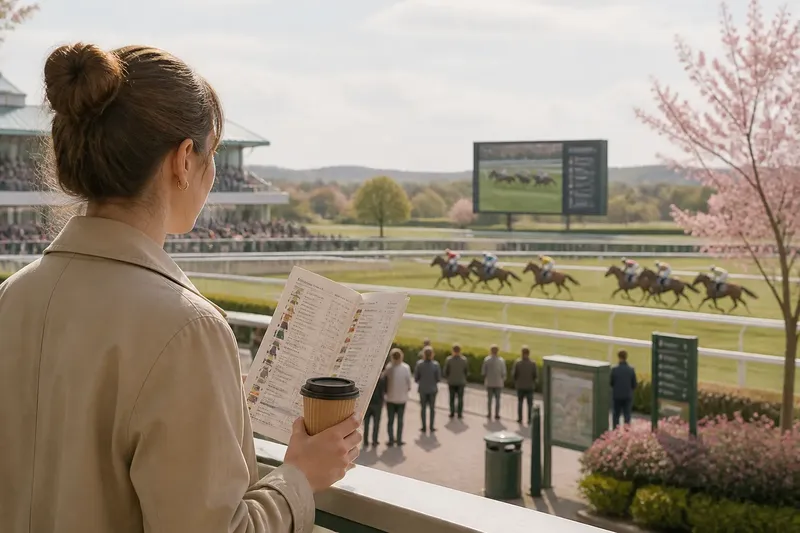
A first day at the track is easier when you choose a few races to follow closely instead of trying to watch every start. The programme gives you a simple rhythm: pick an event that interests you, allow time to get your bearings, then watch from a spot where you can understand what is happening.
What should you check before leaving for the track?
Start with the meeting programme and the venue’s visitor information. Find the advertised first event, the main entrance, and any notes about admission, seating, parking, or access. A programme may be printed, posted online, or available at the venue; use the version the organizer identifies as current.
Check how the day is arranged, not just which races are listed. A card can include warm-ups, introductions, breaks, and changes between events. The schedule gives you a rough sense of when to arrive and when you might want to move, but the running order can shift. Leave a little flexibility rather than planning every minute around a predicted start.
Before setting out, decide what would make the visit enjoyable. Perhaps you want to understand how a race unfolds, hear the crowd build before a close finish, or simply get a feel for the venue. That small intention helps you choose where to spend attention without turning the day into an assignment.
How many races should a first-time visitor follow?
Choose a small handful to watch with care, and let the rest of the meeting provide context. You do not need to settle on an exact number. One race can help you learn the layout; another can give you a chance to notice what you missed. The useful limit is the one that leaves you curious rather than hurried.
Look for variety in the programme. A race with a clear introduction or a format you recognize may be a comfortable place to begin. Later, you could pick an event with a different distance, class, or field size, if those details appear in the schedule. Comparing two races can make their differences easier to notice than trying to absorb every event in sequence.
Make the choice before you arrive, but keep it provisional. If the venue is crowded, the weather changes, or an event is delayed, you can switch. The programme is a tool for deciding where to focus, not a promise that the day will follow a perfect script.
Where should you watch your first race?
For the first event, choose a place that lets you see more than the finish. A spot near a large screen or a section with a clear view of the course can help you connect the start with what happens later. If you are unsure where you are allowed to stand or sit, ask staff or follow posted directions.
Use the first race to learn the venue’s landmarks. Notice the entrance you used, the nearest information point, the restrooms, and the route back to your seat or viewing area. Look for signs that identify the start and finish, as well as any screens showing the event or current programme. Knowing these anchors makes it easier to explore without worrying that you will lose your way.
Think about comfort as well as sightlines. A location that is easy to reach and gives you room to pause may suit a first visit better than the busiest place at the rail. You can always move for a later race once you know how spectators circulate and what the view is like from different areas.
How can you use the programme between races?
Give yourself a simple routine: check the next listed event, note where you want to watch it, and leave time to get there. Between those decisions, look around. The paddock, warm-up area, or public concourse may be open to spectators, depending on the venue and meeting. Take in what you can from permitted viewing areas rather than trying to be everywhere.
Say you arrive with the second race marked as your first close watch. You find the entrance on the venue map, then use the gap before that event to locate the grandstand and a nearby signboard. When the race approaches, you choose a clear viewing spot and follow it from start to finish. The expected result is not expertise; it is a calmer visit and a better sense of how the venue fits together.
Keep the programme handy, but do not spend the whole day reading it. A quick glance can answer what is next and where you need to be. Beyond that, detailed note-taking or trying to predict every change is usually not worth the effort on a first outing. Let the schedule support your attention, not replace the experience.
What should you bring for a comfortable visit?
Pack for the conditions and the length of your stay. A light layer can help if you are outdoors, and comfortable shoes make it easier to move between viewing areas. Bring water if venue rules allow it, and carry only what you will be glad to manage in a crowd.
- Check the forecast and choose clothing that suits the expected conditions.
- Wear shoes you can stand and walk in comfortably.
- Save or print the current programme so you can refer to it without searching.
- Bring a phone for the venue map or schedule, and keep it charged enough for the visit.
- Check entry rules before packing food, drinks, cameras, or larger bags.
- Choose a meeting point with your companions in case you get separated.
Venue rules and event arrangements vary, so follow the organizer’s current instructions for entry, access, and permitted items. If you have a mobility or access need, contact the venue ahead of time to ask about suitable routes and viewing options.
What if the schedule changes or you miss a race?
Adjust your plan and move on to the next event that interests you. A delayed start, a change in running order, or a slow search for a viewing spot does not ruin the day. Check the latest notice from the venue, then decide whether to wait where you are or head toward your next chosen race.
If you miss an event, use the programme to orient yourself rather than treating the omission as something to catch up on. You might watch a replay on a screen if one is available, or simply follow the next race live. The point of choosing a few events is to make room for the unexpected, including the ordinary pauses that are part of a day at the track.
Which details are worth noticing during a race?
Pick one thing to watch at a time. You might follow how the field settles after the start, notice when competitors begin to change position, or watch how the order develops near the finish. Trying to track every racer and every tactical choice at once can make the action harder to read.
After the race, compare what you saw with the programme or a results display, if one is available. Names and numbers can help you identify competitors, while the event description can clarify what kind of race you watched. You do not need to learn every term before the next start; one new detail is enough to carry into it.
On a first day at the track, a useful plan is simply to arrive with the programme, choose a few races, and leave space to find your bearings. Keep the schedule close, ask staff when a route or rule is unclear, and give yourself permission to skip an event. You will get more from the races you follow when you are not racing the clock between them.